Background
problem space
Diagnosis Limbo is a prolonged period of uncertanty when someone has symptoms but no clear diagnosis
An estimated 5.7 million women in the UK are currently awaiting a diagnosis for a range of health conditions. Nearly 1 in 3 (30%) are experiencing symptoms related to women’s health issues—such as PCOS, endometriosis, or gynaecological cancers—yet have not received a formal diagnosis.
On average, the diagnostic journey for a women’s health condition takes 2 years 3 months, with conditions like endometriosis taking up to 8 years to be properly diagnosed.
What does it feel like to live in uncertainty,
to wait for answers that might never come?
We conducted in-depth interviews with total of 20 participants—13 Patients and 7 Healthcare Practitioners (HCPs) to deepened and enriched our understanding about the issues.
background
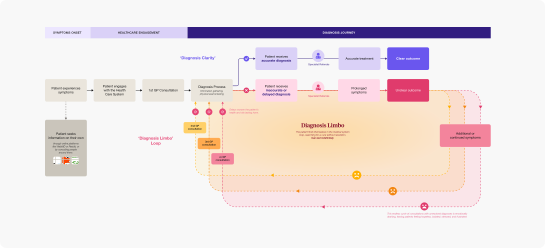
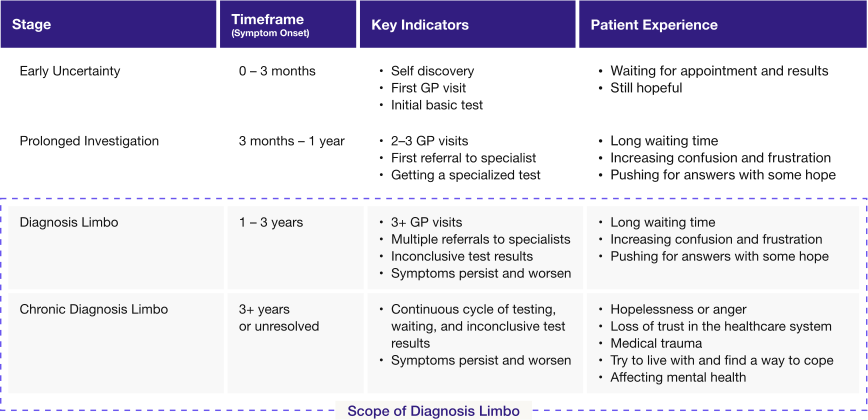
This Patient’s Journey Map provides valuable insight into the challenges a patient faces when they are experiencing diagnosis limbo, and further helped define the stages to understand the scope of Diagnosis Limbo.
Research Insights
interview insights
The two sides to the story: Patients and HCPs insights
Patients Insights
For patients, diagnosis limbo is experienced as ongoing uncertainty that extends beyond clinical settings. In the absence of diagnostic resolution, patients take on significant work to maintain continuity across appointments, tests, and referrals.
patients feel marginalised and alone
Despite how common this experience is, every interviewee described feeling isolated in their journey — especially when their condition lacked a clear name or diagnosis.
Communication is frustrating
Despite how common this experience is, every interviewee described feeling isolated in their journey — especially when their condition lacked a clear name or diagnosis.
Failed by the healthcare system
Systemic failures make the journey feel endless and disheartening. Many patients expressed a desire to regain control, often resorting to self-advocacy and independent research to find answers.
HCP Insights
For patients, diagnosis limbo is experienced as ongoing uncertainty that extends beyond clinical settings. In the absence of diagnostic resolution, patients take on significant work to maintain continuity across appointments, tests, and referrals.
HCPs must run a tight schedule
Most GP visits last 15–20 minutes, with HCPs juggling patient care and admin. There is a high demand for appointments, but a limited capacity to deliver them, leading to rushed consultations and patient dissatisfaction.
Rise of self-diagnosis practices
Patients often turn to the internet for answers. While it can empower them, it also risks misinformation and anxiety, sometimes complicating appointments or delaying proper treatment.
HCPs react differently to patients’ emotions
Patients often arrive feeling emotional or frustrated. Some HCPs may take this personally, while others feel sympathy and try to offer extra support. Since patients rarely see the same doctor, reactions vary, making the doctor-patient relationship feel unpredictable.
Understanding Diagnosis Limbo as a Systemic Problem
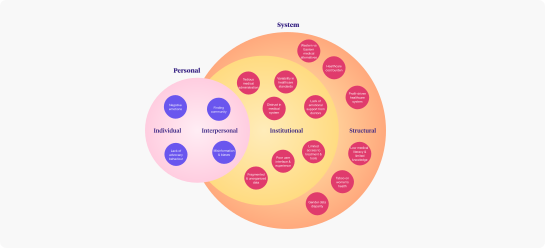
To synthesize our research findings, we gathered and grouped all the problems we found, then mapped how they connect within the healthcare system. We categorized and organized problems based on their scale of control:
problem mapping
Personal Level Problems
Community & Biases
Negative Emotions
Patient advocacy varies based on how individuals navigate diagnosis limbo.
Patient advocacy varies based on how individuals navigate diagnosis limbo. Some take an active role, researching symptoms, tracking their health, and seeking second opinions, while others are passive, relying entirely on doctors and feeling overwhelmed by uncertainty.
Many patients in diagnosis limbo feel isolated, even with the support of family and friends, as they struggle to find relatable supports.
Additionally, even within a community, patients face the challenge of confronting bias and misinformation, which further might complicate their journey.
Patients in diagnosis limbo often face overwhelming negative emotions.
The lack of control over their own bodies can make daily functioning challenging, leading to feelings of isolation, loneliness, loss of confidence, discouragement, frustration, and heightened anxiety due to the uncertainty surrounding their health.
Advocacy Behaviour
System Level Problems
FRAGMENTED DATA & POOR UX
HEALTHCARE COST BURDEN
DOCTOR-PATIENT RELATIONSHIP
Current administration is often inefficient and frustrating.
Long wait times, difficulty booking appointments, and outdated communication methods like snail mail make navigating the system stressful. Patients have little control over the system, unable to choose or swap doctors or adjust flexible appointment times, adding to their stress and uncertainty.
Fragmented medical data, lacking accessibility and transparency, forces patients to repeatedly explain their history to different doctors, increasing frustration and the risk of miscommunication.
The poor UX of medical platforms makes it difficult for patients to track their progress, understand their care journey, and anticipate waiting times, leaving them feeling lost and uncertain.
Diagnosis limbo burdens not only patients' emotional and financial well-being
Forcing them to turn to the alternative medicine sector, but also the healthcare system, with delays leading to inefficiencies and economic losses.
Listening to your body is essential when navigating diagnosis limbo, but recognising and understanding symptoms requires medical knowledge.
Many struggle to understand what is normal or concerning, especially when medical information is complex and often inaccessible.
Women’s health has long been a taboo topic, often ignored or stigmatised in both society and medical research.
This, combined with a gender data gap in healthcare, leads to underrepresentation of women’s health issues, resulting in unequal care and outcomes.
MEDICAL LITERACY & EDUCATION
Gender Inequality in Healthcare
MEDICAL ADMINISTRATION
Doctors often fail to provide emotional support due to the lack of a personal relationship between doctor and patient.
With patients rarely seeing the same doctor throughout their health journey, it becomes difficult to establish trust or feel understood. This lack of empathy can impact the patient's overall healthcare experience.
Strategy & Solution
design opportunity
How might we empower women in the UK who are experiencing the challenges of Diagnosis Limbo feel seen, heard, and supported through the journey—so they can reclaim trust in their bodies, voices, and the care they deserve?
A patient’s mindset is a key factor in navigating the uncertainty of diagnosis limbo, especially when external systems fall short in providing support. Developing the right mindset can empower patients to take an active role in managing their health, even in the face of ambiguity.
Key factors such as outlook, disposition, emotional regulation, cognitive state, health literacy, sense of agency, system dependence, and social context all influence how patients cope with this challenging period. This shift in mindset and behavior can support clearer communication, more effective self-advocacy, and ultimately, improved diagnostic and patient’s health outcomes.
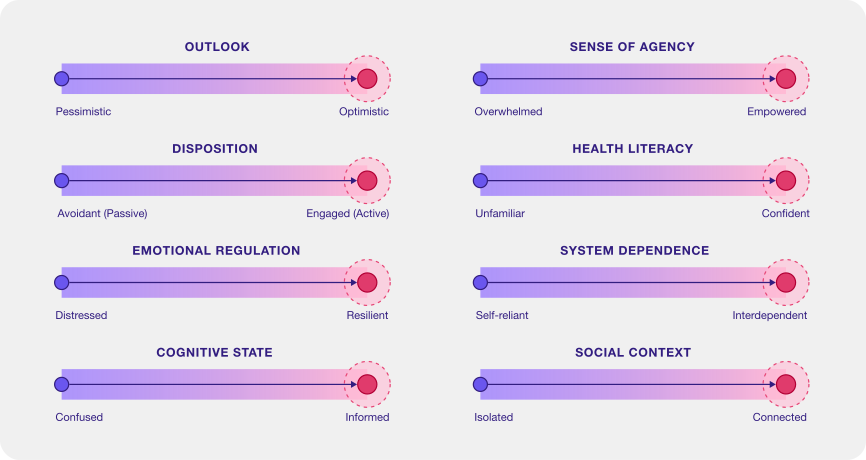
Cultivating the Ideal Patient Mindset. Key behavioral traits for navigating the uncertainty of diagnosis limbo.
Designing Guiding Principles
1
Empower Personal Agency: Create tools that enable individuals to control how they track and share their symptoms and experiences—putting them at the center of their health journey.
2
Clarity Through Education: Deliver accessible and personalised information that helps users understand their symptoms, navigate medical jargon, and determine appropriate next steps.
3
Confidence in Storytelling: .Support users in effectively articulating their health narratives, ensuring they feel heard and respected in clinical interactions.
4
Emotional Safety & Community Connection: Design with empathy by offering peer stories, expert guidance, and emotional support to reduce isolation and anxiety.
5
Privacy & Trust: Protect sensitive health data with secure systems and transparent practices, building trust and ensuring user safety at every touchpoint.
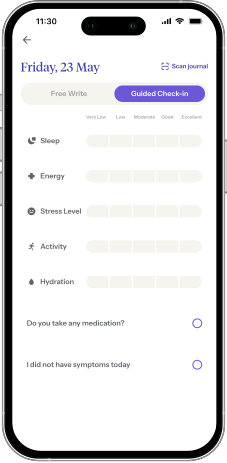
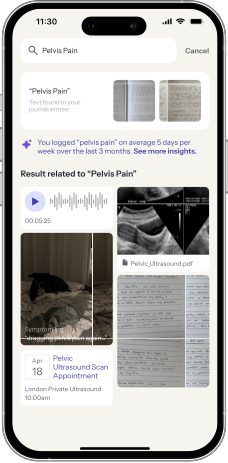
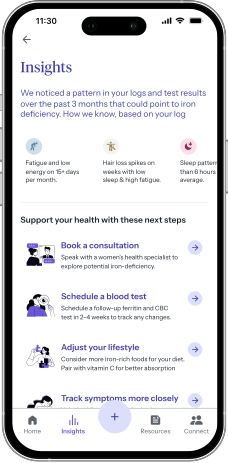
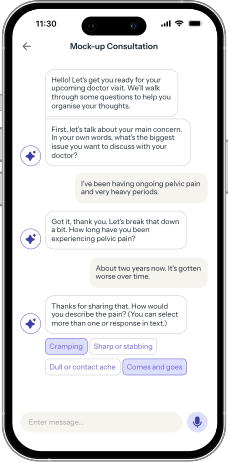
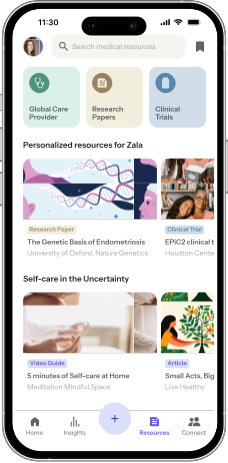
DiaLog is a platform-as-a-service,
that empowers patients to track symptoms, store records, and access trusted global medical insights.
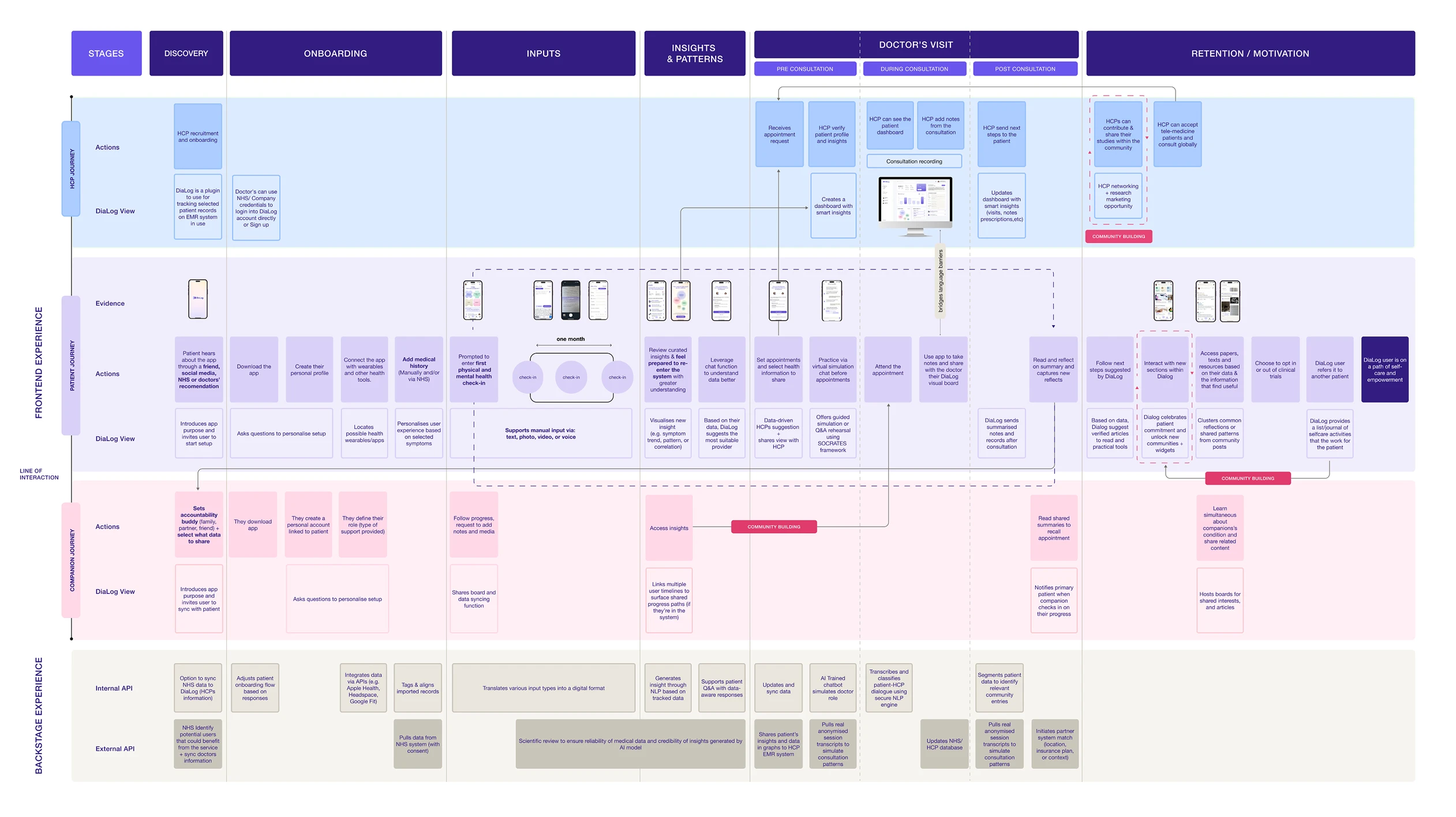
DiaLog’s Service Blueprint
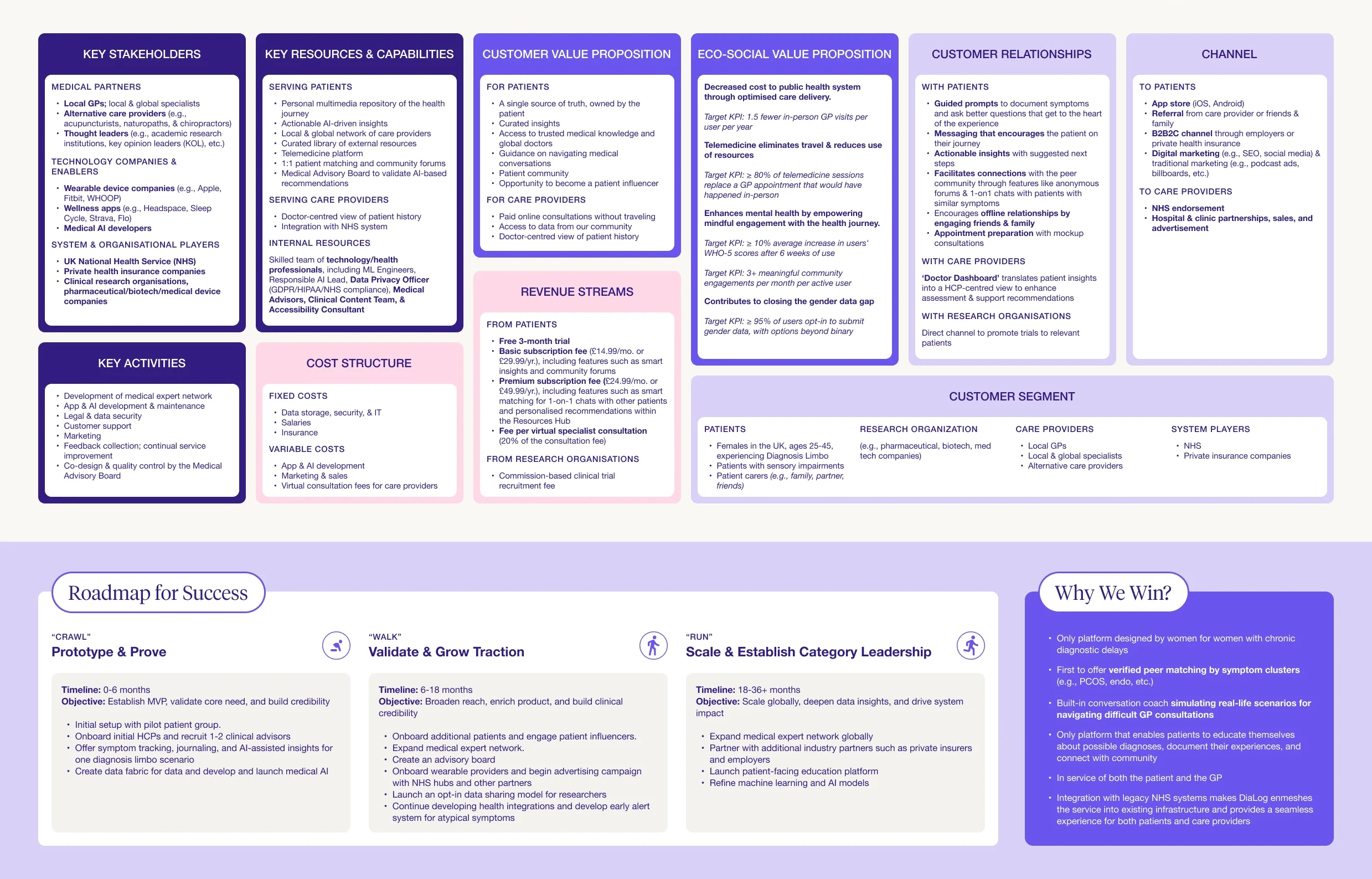
Sustainable Business Model Canvas
Testimonial & Feedback
testimonials